No products in the cart.

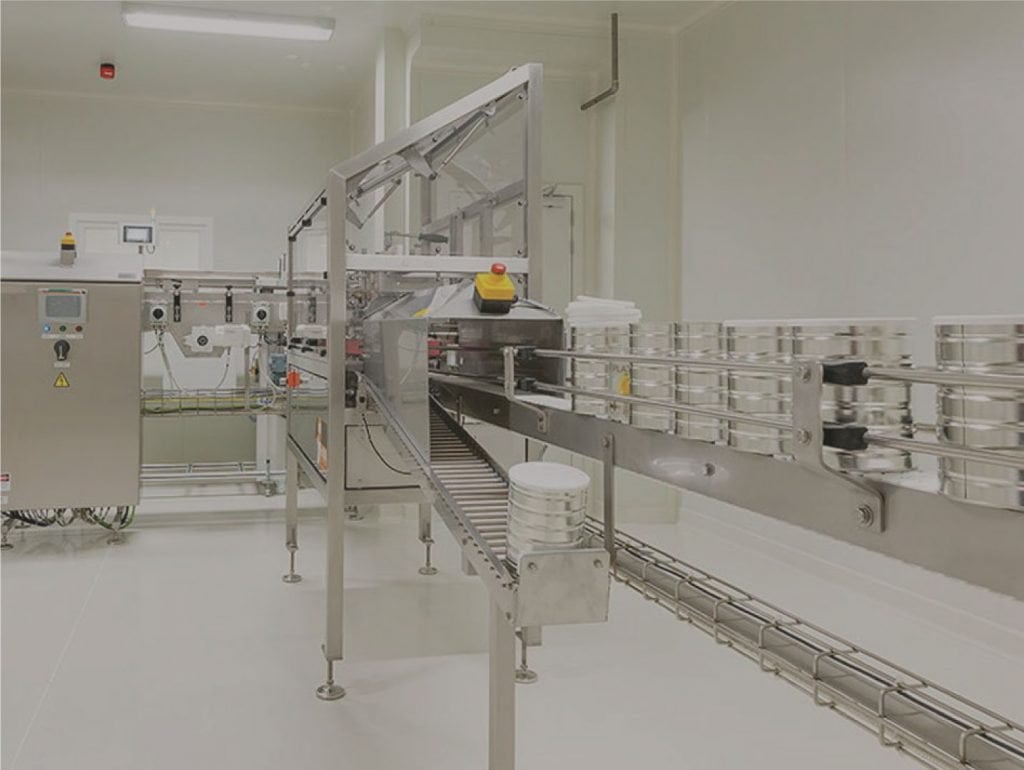
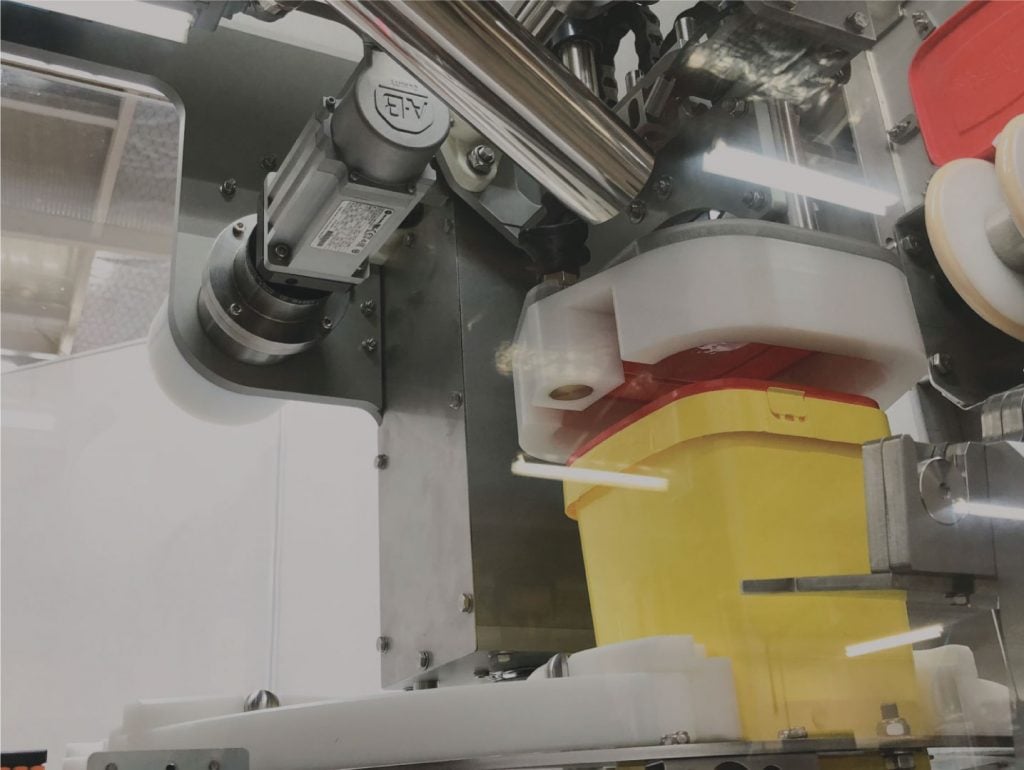
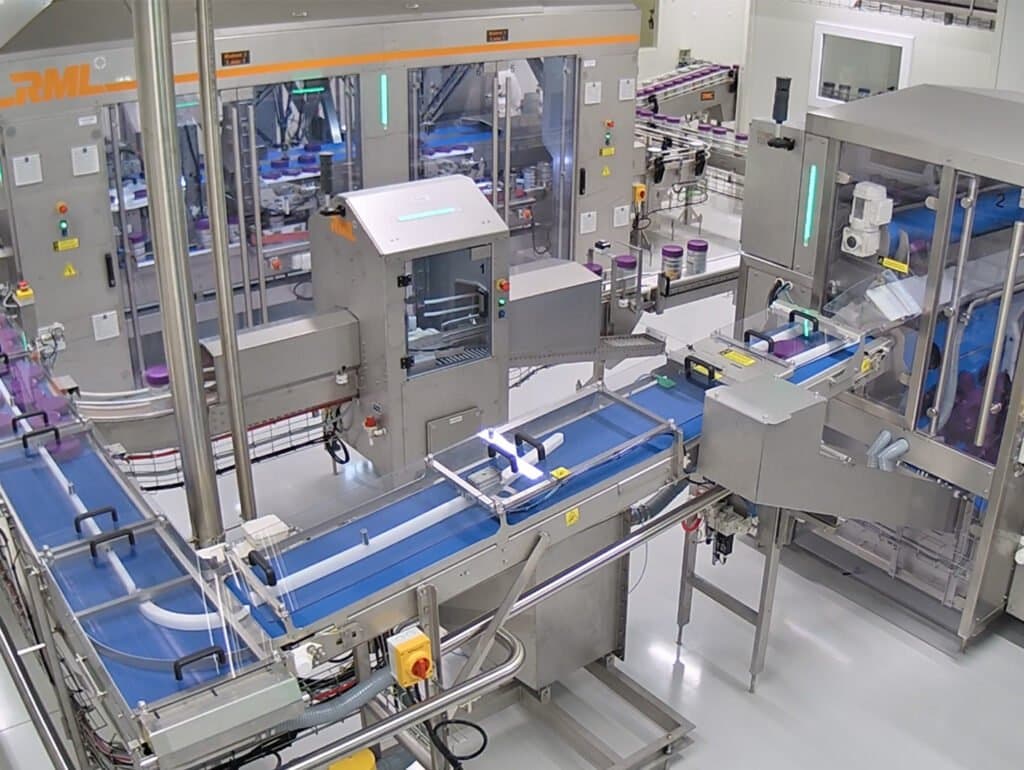
In the lidding space, we have a reputation for providing customised types of automation and our long standing credentials with food safety standards come to the fore.
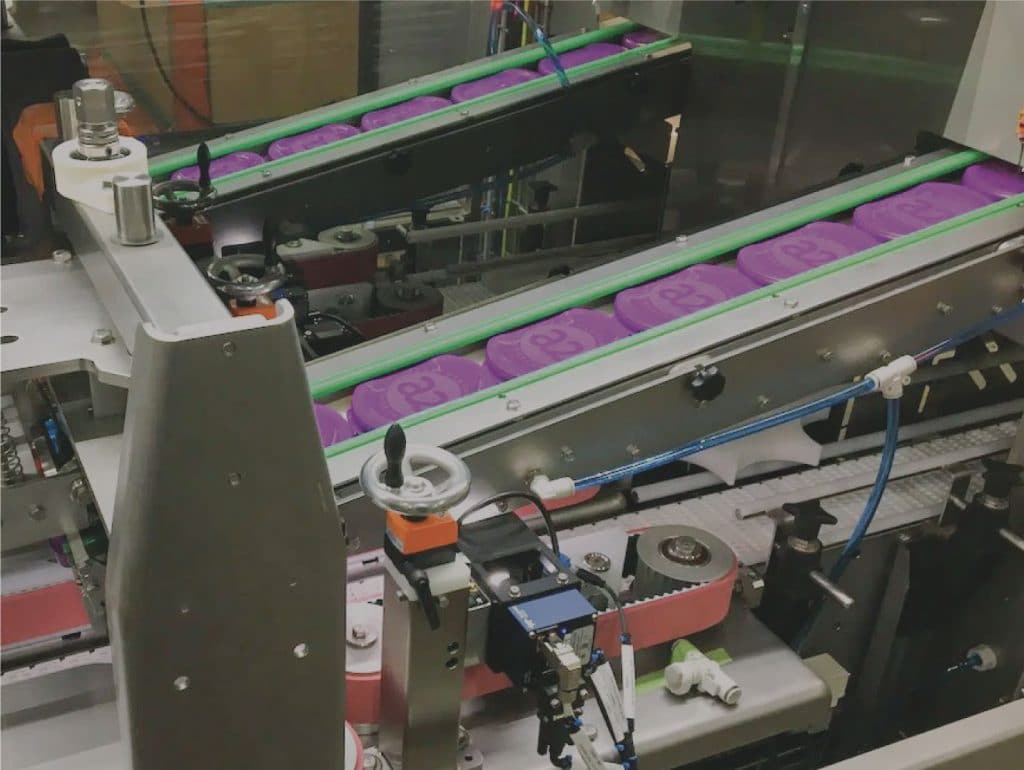
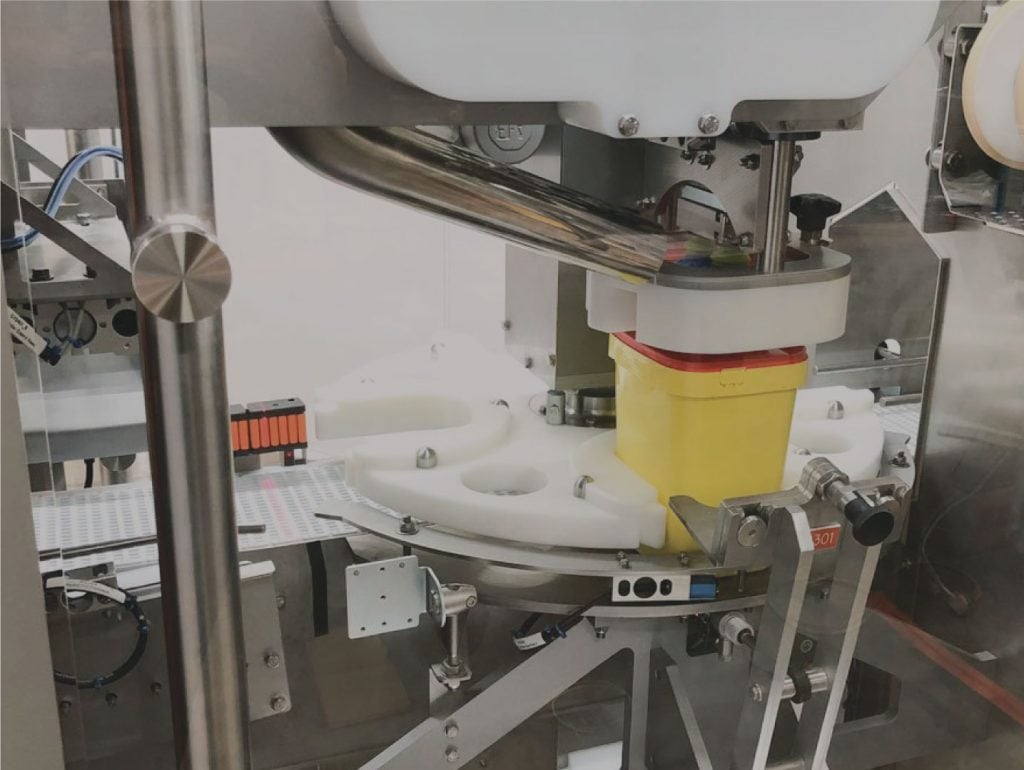
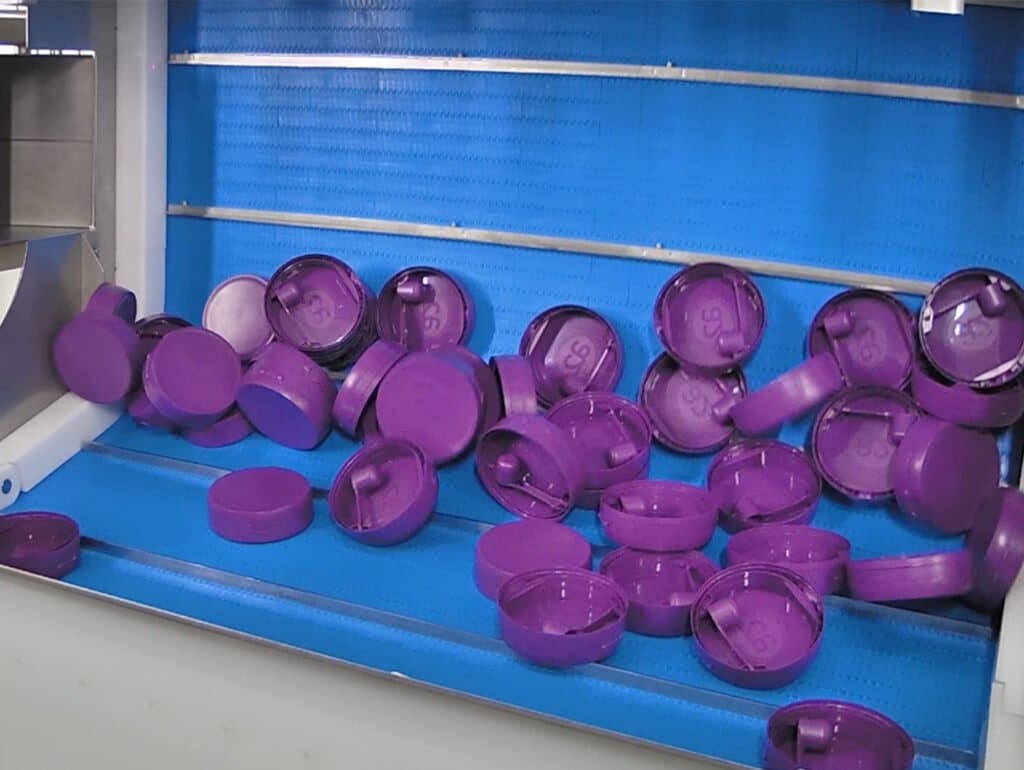
see more of this productAutomated lidders ensure precise and consistent lid placement, creating a reliable seal every time. This improves product quality by preventing leaks, contamination, and extending shelf life.
Many modern lidders can handle a variety of container sizes and lid types, allowing manufacturers to easily switch between different product lines. This flexibility enables quick changeovers and adaptability to market demands.
Lidders eliminate the need for workers to perform repetitive motions associated with manual lidding, reducing the risk of repetitive strain injuries. They also minimize direct contact with products, enhancing food safety in applicable industries.
Automated lidders can operate continuously at high speeds, significantly increasing production output compared to manual methods. This allows manufacturers to meet higher demand and scale their operations more effectively.
What is a lidding system and why is it important?
A lidding system is a mechanism used to securely cover and seal containers, ensuring product freshness and safety. It is crucial for maintaining product integrity, extending shelf life, and providing convenient access for consumers across various industries, including food, pet products, and manufacturing.
What types of products can benefit from automated lidding systems?
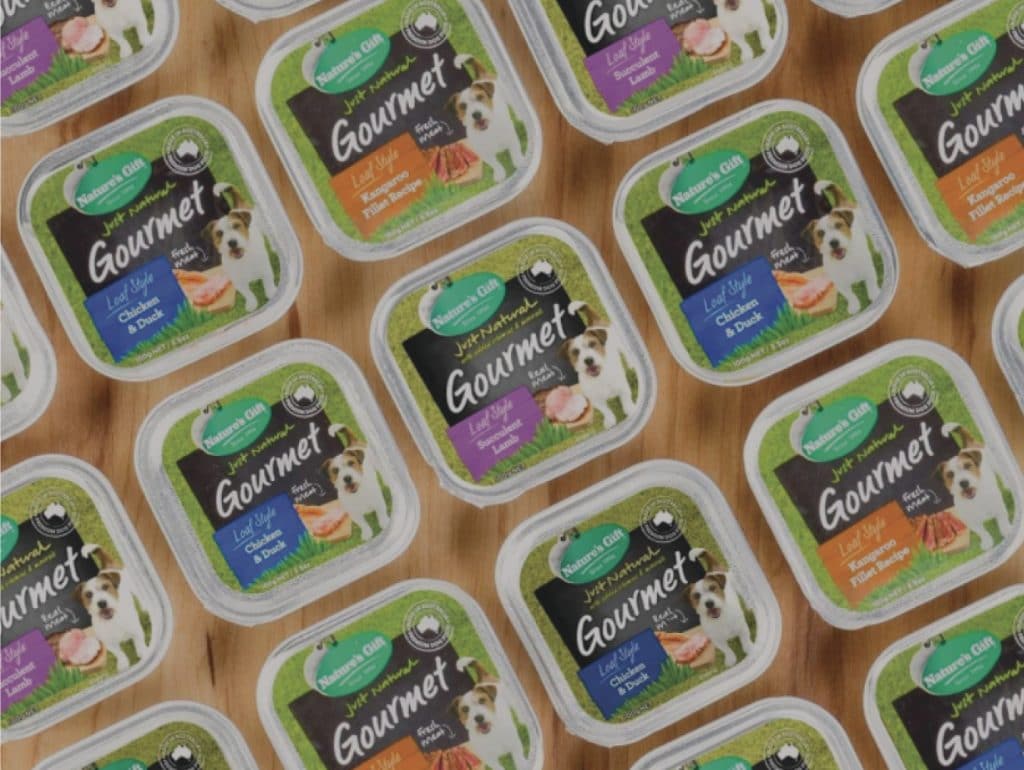
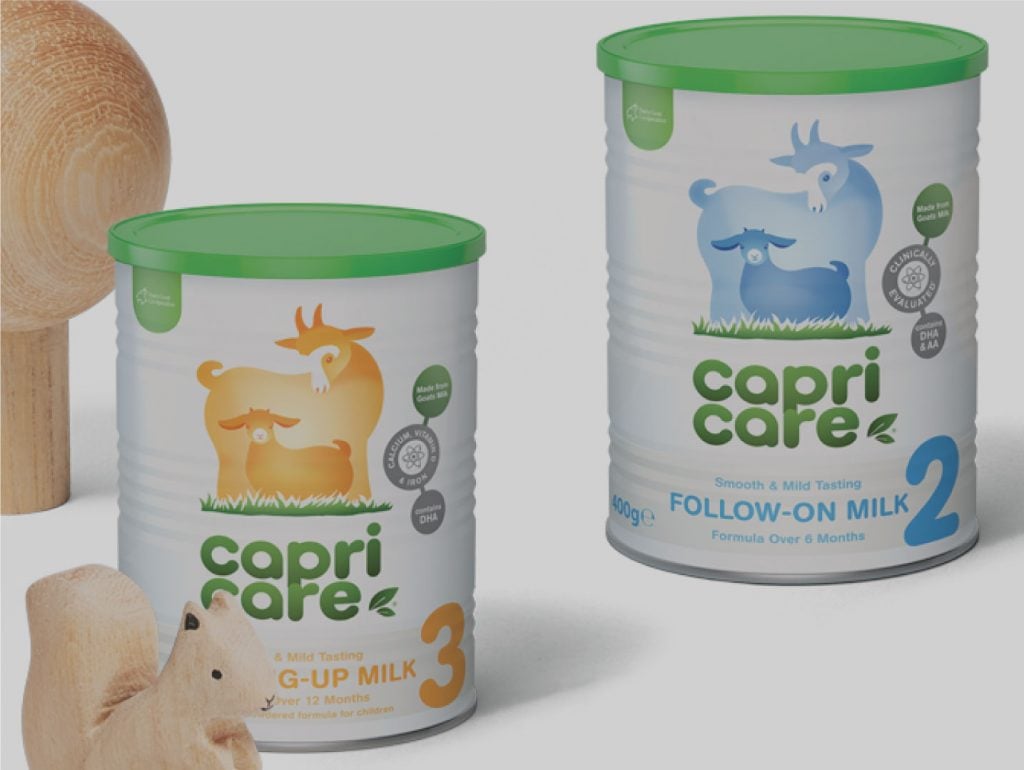
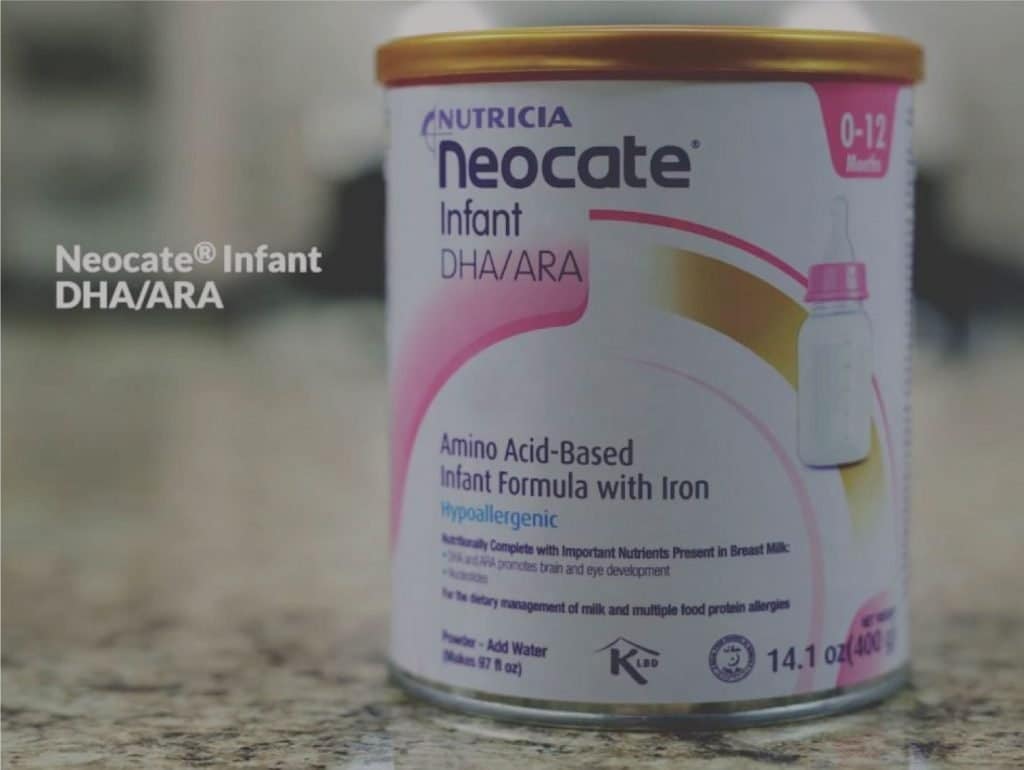
Lidding systems are used for a wide range of products such as infant formula cans, cardboard boxes, pet food tins, food service tubs (e.g., Maggi soup tubs), bottles, jars, and other sealed containers in multiple industries like FMCG, pet care, and food service.
What are the key advantages of using automatic lidding machinery?
Benefits of lidding systems include:
Can lidding systems be customised for different container types and sizes?
Yes, our lidding systems are highly customisable to accommodate various container shapes, sizes, and materials, including metal, cardboard, plastic, and composite materials.
What are common materials used for lidding in these systems?
Common lidding materials include aluminium foil, plastic films, paperboard, and laminated materials. The choice depends on the product, required barrier properties, and sealing methods.
Are lidding systems suitable for high-speed production lines?
Absolutely. Many lidding systems are designed for high-speed operations, enabling them to keep up with filling lines to ensure continuous production without bottlenecks.
IF YOU HAVE A PRODUCTION CHALLENGE,
WE’D LOVE TO SOLVE IT.
Book a focused line assessment and identify where automation can remove labour risk, unlock throughput, and create a stronger business case.