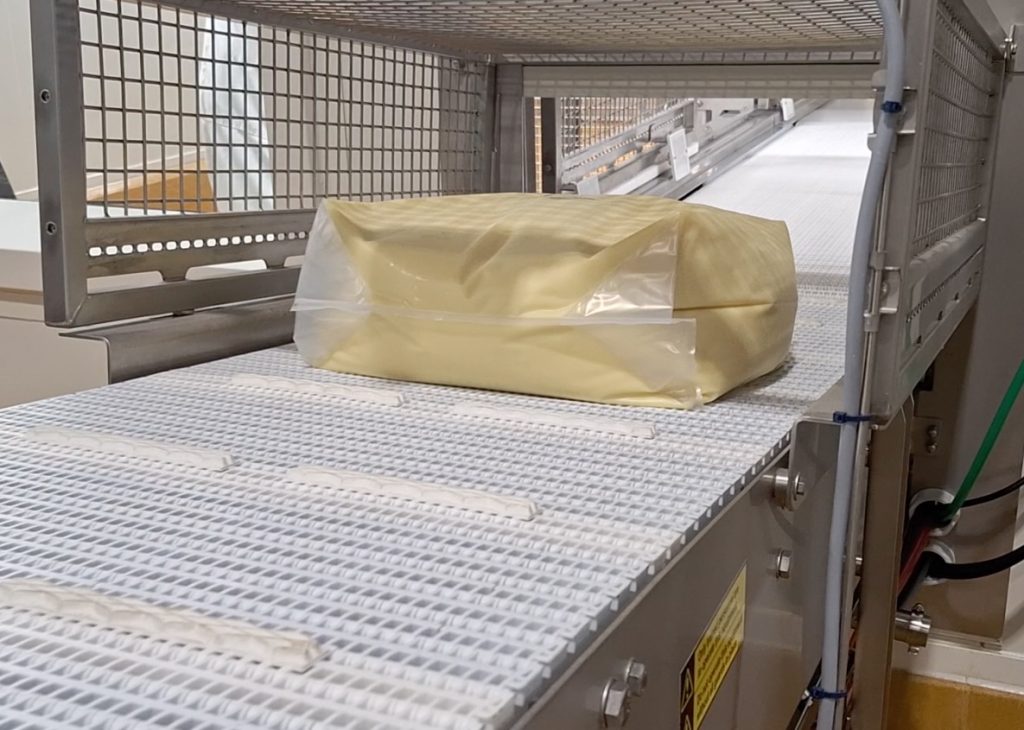
The dairy industry in Australia is a vital part of the global food supply chain, with a rich history of quality production and innovation. As consumer demand increases for high-quality, diverse dairy products, these companies face mounting pressure to optimise their manufacturing processes through automation. However, despite the potential benefits of automation, several significant challenges hinder widespread adoption and effective implementation. This article explores the top three automation challenges faced by dairy manufacturing and production companies and analyses the reasons behind their occurrence.
One of the most persistent and pressing challenges for dairy manufacturers is maintaining profitability amid considerable margin pressure. Global competition, fluctuating raw material costs, and increasing consumer expectations have intensified the need to reduce operational costs without compromising product quality.
Why It Occurs:
Dairy companies operate in a highly competitive environment, where even marginal efficiency improvements can have a significant impact on profitability. Automation offers a pathway to reduce labour costs, increase throughput, and minimise wastage. However, the initial capital expenditure required for advanced automation machinery can be substantial. Additionally, ongoing maintenance and system upgrades add to operational costs.
How Automation Helps:
Implementing automated machinery can streamline processes, reduce manual labour, and improve consistency, ultimately lowering costs. For instance, robotics can perform repetitive tasks like carton packing or cheese slicing with precision and speed, leading to higher productivity and lower labour costs.
The Challenge:
Despite these benefits, many companies struggle with justifying the upfront investment, especially when margins are already razor-thin. Balancing short-term costs against long-term gains remains a critical hurdle, necessitating careful strategic planning and phased automation deployment. At RML, we provide customers with machinery that boosts efficiency and productivity and has a guaranteed return on investment.
This return on investment has been valuable for companies like Australia’s largest cream cheese maker, Moondarra Cheese. After installing a case packing machine, which provided them with savings of over $1 million per annum, Moondarra contacted us to install another cheese machine to double production. Fast forward to 2025, and we now have five machines operating at Moondarra, which has allowed them to produce more products daily and a greater variety of products, all at a lower cost per unit. These upgrades have helped them stay price-competitive, increase their quality, and reduce costs while scaling up production.
While automation technology presents compelling advantages, many dairy companies face challenges in adopting and integrating these systems seamlessly with their existing operations.
Why It Occurs:
Many companies operate with systems that are outdated or not designed for integration with new automation machinery. Complexity arises in attempting to synchronise robots, sensors, and control systems, often requiring specialised technical expertise. Resistance to change within organisations and concerns about operational disruptions during implementation further complicate adoption.
How It Affects Companies:
Implementing advanced automation solutions demands a significant shift in operational mindset and a willingness to invest in staff training. Integration issues can lead to downtime, reduced productivity during transition periods, and unforeseen technical problems. Moreover, supply chain disruptions can hinder the integration process, mainly when equipment suppliers are located overseas.
Solution Approaches:
We help customers with this by designing flexible automation solutions optimised for integration with existing systems. These systems are also developed to be easily upgraded if future expansion takes place. Digital twin technology, real-time monitoring, and incremental implementation strategies help mitigate risks and facilitate smoother transitions. Equally important is engaging with experienced automation partners who understand the unique needs of the dairy manufacturing industry, which is something we are well versed in at RML, with over 30 years of experience in the dairy industry and being Australasia’s go-to dairy automation innovators.
Dairy companies often produce a wide range of products, such as different types of cheese, milk variants, and specialty dairy items, each with unique packaging, labelling, and quality requirements. Managing this diversity presents a distinct automation challenge for these dairy manufacturing and production companies.
Why It Occurs:
The need for high flexibility in handling numerous SKUs demands adaptable machinery capable of switching between product types quickly without extensive downtime. Manual setup changes can be time-consuming and prone to errors, affecting productivity and product consistency.
How It Affects Operations:
Organisations struggle to balance customisation with efficiency. Automated systems must accommodate a wide range of bottle sizes, shapes, and packaging formats, often necessitating complex conveyor setups and multi-functional robotic arms. Without proper flexibility, companies risk increased downtime, product mix errors, and higher operational complexity.
Strategies for Resolution:
Advanced vision systems, modular automation equipment, and programmable logic controllers (PLCs) play a crucial role in enabling rapid changeovers and handling multiple products. RML offers innovative packaging solutions that emphasise flexibility, allowing dairy manufacturers to adapt quickly to changing market demands without sacrificing efficiency.
For an FMCG and dairy operating company like Tip Top, packing into multiple SKUs is critical. The renowned New Zealand company required an extensive robotic carton loading and case packing line capable of packing 300 ice creams per minute into four different carton sizes and five different shipper SKUs. This was made possible by us developing an extensive solution consisting of machines such as:
Implementing this equipment allowed Tip Top to boost production and efficiency in packing their multi-format line.
The future of dairy manufacturing in Australia hinges on effective automation. However, the industry faces notable hurdles; margin pressures necessitate cost-effective solutions; integration of sophisticated robotics demands technical competence; and handling diverse SKUs requires adaptable machinery. Overcoming these challenges involves strategic planning, investing in flexible automation technologies, and partnering with experienced suppliers like RML, who understand the intricacies of post-farm gate dairy production.
By addressing these challenges directly, dairy companies can unlock efficiencies, reduce costs, and deliver high-quality, diverse products to a global market that is increasingly demanding innovation and excellence.
If you are looking to improve your production processes, then Production Automation Solutions designed and built by RML will provide your company with greater productivity, which will help the push towards this goal.
Book a focused line assessment and identify where automation can remove labour risk, unlock throughput, and create a stronger business case.

